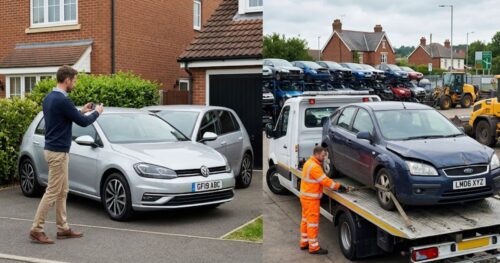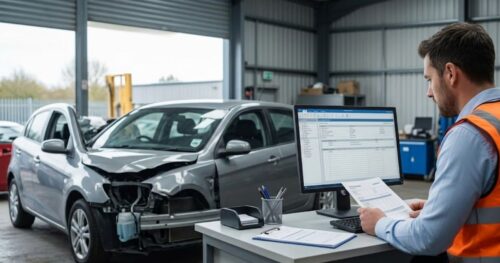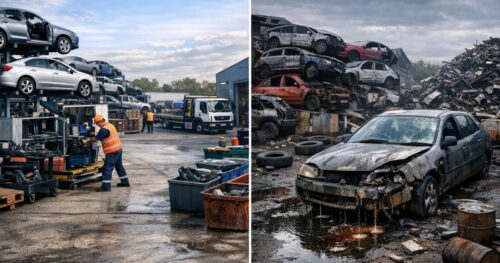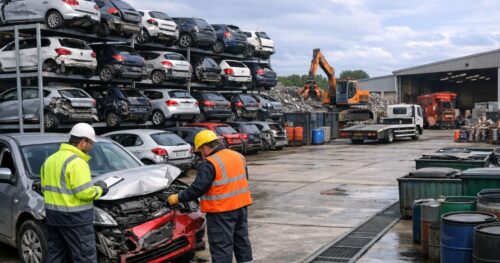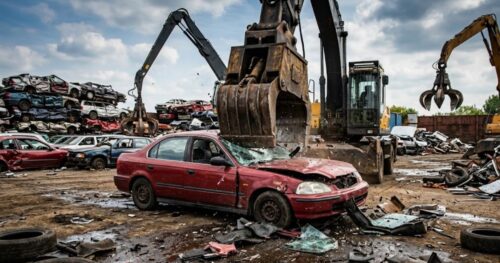
Selling a running car almost always returns more money. Scrapping a non runner, an MOT failure, or a car with expensive repair bills is the faster and smarter exit. This guide uses the 50 percent rule to help you decide. It covers how scrap value is calculated from vehicle weight and steel prices, what write off categories A, B, S and N mean for your legal options, how a licensed ATF issues your Certificate of Destruction and closes your DVLA keeper record, and what checks like outstanding finance, HPI, and V5C notification you must complete before choosing either route.
Quick Way to Decide in Under a Minute
Repair Costs Are Too High, Scrap It
If a repair quote is eating up more than half your car’s current market value, scrapping makes more financial sense than fixing it. A car worth £1,500 with a £1,200 repair bill is not worth saving. Get a scrap quote first, then compare. The answer usually becomes obvious within minutes.
Car Runs Well, Sell It
A car that starts, drives, and has a valid or near valid MOT has private sale or trade in value. Even with minor faults, a running car can fetch significantly more through AutoTrader, a car buying service, or a part exchange than it would as scrap. Do not scrap a sellable car without checking its sale value first.
Are Unsure, Compare Both Values First
Get a scrap quote online. It takes under a minute using your registration number. Then check AutoTrader for recently sold similar models in comparable condition. If the sale price is more than double the scrap price and the car is drivable, selling is worth the extra effort. If the gap is small, scrapping saves you the risk.
Scrap vs Sell: Quick Comparison
Difference in Speed and Effort
Scrapping is the fastest option. Most licensed ATFs offer same or next day free collection with payment by bank transfer on the day. Selling privately takes days to weeks, requires listing, photos, viewings, and negotiations. Car buying services like We Buy Any Car sit in between — quick but typically lower offers than private sales. If your vehicle is damaged or not roadworthy, selling your car for salvage can be a quicker alternative that still helps you recover value without the delays of a private sale.
How Much Money Can You Expect
| Scrap | Car Buying Service | Private Sale | |
| Typical return | £150–£500 | £500–£3,000+ | Highest possible |
| Speed | Same day | 1–3 days | Days to weeks |
| Effort | None | Low | High |
| Best for | Non runners, high repair costs | Quick clean sale | Roadworthy cars |
Average scrap car price in the UK as of early 2026 is around £250, based on vehicle weight and current metal prices.
Risk and Legal Responsibility Explained
When you sell privately, legal responsibility transfers on completion of the sale and DVLA notification. When you scrap through a licensed ATF, the Certificate of Destruction closes your keeper liability automatically. Selling to an unlicensed buyer or unofficial trader leaves your name on the DVLA record, and every fine, tax charge, and insurance flag stays pointed at you until the record is officially closed.
What Your Car Is Really Worth Today
How to Estimate a Realistic Sale Price
Search AutoTrader for the same make, model, year, and mileage as your car, filter by recently sold, not just listed. Listed prices are often optimistic. Sold prices reflect what buyers actually paid. Deduct for any faults, missing MOT, or cosmetic damage. Private buyers will negotiate, so factor in 10 to15% below your asking price as the likely final figure. For additional guidance, tools like the RAC’s car valuation service can give you a rough estimate based on current UK market data.
How Scrap Value Is Calculated in the UK
Weight, steel prices, and reusable parts set your scrap quote. A standard hatchback brings between £150 and £350 most of the time. SUVs, estates, and older diesels push closer to £400 to £500. A good catalytic converter, working engine, or decent alloy wheels take your quote above basic scrap rates. You can check the latest UK scrap metal prices to understand how rates fluctuate and affect your final quote.
Why Most Owners Overestimate Their Car’s Value
Most owners overestimate because emotion gets involved. The £6,000 you paid five years ago means nothing to a buyer looking at high mileage, a worn interior, and known faults. That same car might fetch £800 today on a good day. Check actual sold data, not asking prices. Be straight about condition and save yourself weeks of wasted time chasing a number that was never realistic.
The 50 Percent Rule Explained Simply
When Repair Costs Make No Financial Sense
The 50 percent rule is straightforward: if a repair quote exceeds 50 percent of your car’s current market value, the repair is not worth doing financially. Spending £1,200 to fix a car worth £1,800 leaves you with a repaired vehicle that may still only sell for £1,800, and carries the risk of the next expensive fault appearing soon after. The rule exists because repair costs do not increase a car’s value pound for pound.
Common Repair Cost Examples in the UK
These are the repairs most likely to trigger the 50 percent rule on older or high mileage UK cars:
- Head gasket replacement: £800 to £1,500 depending on engine complexity
- Gearbox repair or replacement: £500 to £5,000, automatics sit at the higher end
- Clutch and dual mass flywheel: £600 to £1,200 combined
- Turbocharger replacement: £1,000 to £2,500
- Seized engine rebuild: £2,000 to £5,000+
On a car worth under £2,000, any single one of these repairs puts you over the 50 percent threshold immediately.
When This Rule Does Not Apply
The 50 percent rule is a guide, not a court order. Classic cars gaining value, rare models, or a daily driver where replacement costs far more than fixing it, all sit outside that rule comfortably. Compare repair cost against replacement cost every time. That single comparison gives you a clearer answer than any percentage ever will.
When Selling Your Car Makes Sense
Signs Your Car Is Worth Selling
A car worth selling starts every time and holds a current or recently lapsed MOT. No serious faults hiding underneath matter just as much. Worn tyres, small dents, and honest mileage still bring in private buyers looking for something cheap and drivable. If a car buying service quotes you more than the scrapyard, the decision makes itself. That difference alone confirms the car still holds real sale value.
Time and Effort Required to Sell
Private sale needs a fair asking price, clear photos, an honest list of faults, and being free for viewings. Skip any of those and buyers walk away fast. Expect at least one to two weeks for a straightforward sale, longer for higher priced or unusual vehicles. Time wasters, no shows, and lowball offers are common. If speed matters more than maximum return, a car buying service like We Buy Any Car or Motorway is faster with far less effort, though offers will be lower than a private sale.
Hidden Costs Most Sellers Ignore
Before deciding to sell, factor in costs that reduce your actual net return. An MOT test costs £54.85, any advisories or failures add repair costs on top. A basic valet improves sale price but costs £50 to £150. Private listing fees on some platforms, fuel for test drives, and time spent negotiating all add up. If the gap between scrap value and sale value is £300 but selling costs you £150 in preparation and two weeks, the financial advantage narrows considerably.
When Scrapping Your Car Is the Better Option
Failed MOT and Expensive Repairs
Structural corrosion, brake failure, and suspension damage coming up on repeated MOT failures say it all. Getting that car back on the road costs more than the car is worth. The same faults returning year after year mean the car has had its day. Spending more money on it from that point rarely makes sense.
Accident Damage and Write Off Cars
Insurance write off categories in the UK determine what can happen to a damaged car. Category A and B write offs must be crushed.They cannot be sold or returned to the road. Category S (structural damage) and Category N (non structural damage) can be repaired and resold, but carry a permanently reduced value and must be disclosed to buyers. For Cat S and Cat N cars where repair costs are high and resale value is significantly reduced, scrapping removes the complication entirely.
Non Runners and High Mileage Vehicles
A car that does not start or cannot be driven has almost no private sale value without significant investment from a buyer. Non runners carry almost no private sale appeal without serious buyer investment. They still hold scrap value based on weight and parts, and licensed ATFs collect them at no charge. Vehicles above 120,000 miles on older platforms face the same wall. Private buyers stay away, part exchange returns almost nothing, and the next expensive repair is rarely far off. Scrapping turns the car into immediate cash with no further risk attached.
Important Legal Checks Before Deciding
Rules Set by the DVLA You Must Follow
Under the End of Life Vehicles Regulations 2003, any car scrapped in the UK must go to a licensed Authorised Treatment Facility. You are legally required to notify the DVLA of the disposal. This does not happen automatically. The ATF issues a Certificate of Destruction, which closes your keeper record, but you must also send the yellow section of your V5C logbook to DVLA directly. Failing to notify DVLA carries a fine of up to £1,000 and keeps road tax and insurance obligations running in your name.
Finance and Ownership Issues Explained
You cannot legally scrap or sell a car that has outstanding finance on it without clearing the finance first or getting explicit written consent from the lender. The finance company holds a legal interest in the vehicle until the agreement is settled. Selling or scrapping a financed car without lender’s consent exposes you to legal action. Always run a free HPI check before proceeding. This confirms whether finance is outstanding, the car has been reported stolen, or has a previous write off marker attached.
Write Off Categories and Outstanding Legal Issues
If your car carries a Category A or B insurance write off marker, it must be scrapped. It cannot legally return to the road or be sold privately. Category S and N markers must be disclosed in any private sale. Outstanding road tax, an active SORN, or a wrong keeper record on the DVLA database needs sorting before you sell or scrap. None of these sort themselves out. Check your car’s legal status on the DVLA website before settling on any route. Leaving it unchecked causes problems that follow you after the car is gone.
Key Factors Most People Forget Before Choosing
ULEZ Impact on Selling Older Cars
Petrol cars made before 2006 and diesels made before 2015 do not meet ULEZ and Clean Air Zone rules. London, Birmingham, Bath, and Bristol all run these zones. London’s daily charge is £12.50 for cars that do not comply. That charge puts buyers off and brings offers down before talks even begin. Expect longer selling times and lower numbers if your buyer base sits outside affected areas.
Risk of Scams and Payment Issues
Private car sales carry real fraud risk. Common scams include fake bank transfer confirmations, overpayment cheque fraud, and buyers arriving with incomplete cash. Never release a car until payment has fully cleared in your account. For scrapping, the risk lies in using unlicensed collectors who take your car, pay cash illegally, issue no Certificate of Destruction, and leave your DVLA record open. Always use a licensed ATF, verify their registration, and accept only bank transfer or cheque payment.
Time Versus Convenience Trade Off
The decision between scrap and sell is not always purely financial. If you need the car gone quickly, have no time for listings and viewings, or want to avoid the administrative burden of private sale, scrapping through a licensed ATF is genuinely the more practical choice even if the financial return is lower. The free collection, same day payment, and CoD handled for you represent real value that does not show up in a simple price comparison.
How Scrapping Your Car Works in the UK
Why You Must Use a Licensed ATF
Only a licensed ATF can legally scrap a car and issue a valid Certificate of Destruction in the UK. An unlicensed collector produces nothing DVLA recognises. Your keeper record stays open and liability continues until a proper CoD lands. Licensed ATFs follow the End of Life Vehicles Regulations 2003, carry Environment Agency approval, and appear on the gov.uk ATF register. Check that register before booking anything.
Simple Step by Step Scrapping Process
- Get an online quote using registration number, most services come back with a price within one minute.
- Accept offer and pick a collection date that works.
- Have V5C logbook ready on collection day for verification.
- Meet driver from ATF who checks ID and takes vehicle away.
- Payment comes through by bank transfer or cheque at time of collection.
- Keep yellow V5C slip and post it to DVLA to confirm car has been disposed of.
What Happens After Your Car Is Collected
The ATF depollutes the vehicle, draining fluids, removing batteries and tyres. Before dismantling it for reusable parts and sending the shell for metal recycling. Your CoD arrives within seven days and triggers the automatic closure of your DVLA keeper record. Any unused road tax is refunded by DVLA automatically from that point. You have no further legal or financial obligation to the vehicle from the moment the CoD is processed.
What Should I Do If My Car Fails Its MOT
Add up every MOT failure and advisory cost before making any decision. Put that total repair bill next to what car is actually worth right now. If repairs cost more than half of car value, scrapping is usually smarter with money. Small failures on a car that still holds good value may still make fixing and keeping or selling it worth doing.
FAQS
Can I Sell or Scrap a Non Runner Car
Yes. Non runners can be sold privately or scrapped through a licensed ATF, even without MOT, keys, or a working battery. Scrap value is based mainly on weight and salvageable parts, not drivability.
What Are My Options If My Car Has Financing?
Outstanding finance must be cleared before selling or scrapping car. Call lender, ask for a settlement figure, and pay off any remaining balance before ownership can legally change hands.
Should I Scrap or Sell an Accident Damaged Car?
Cat A and Cat B cars must be scrapped with no exceptions. Cat S and Cat N cars can be repaired, sold, or scrapped depending on what makes most sense. Look at repair costs, what car could sell for, and what scrap yards are currently offering before deciding.
Can I Scrap a Car Without an MOT?
Yes. A valid MOT is not required to scrap a vehicle in the UK. Most licensed ATFs collect non running and expired MOT vehicles free of charge.
Scrap Your Car the Right Way Today
Get your instant quote from Scrap My Car Services and book a free collection with a licensed ATF in minutes. Every collection includes your Certificate of Destruction, full DVLA notification, and payment by bank transfer, no hidden fees, no surprises.