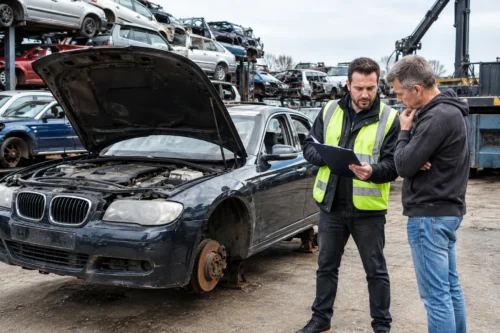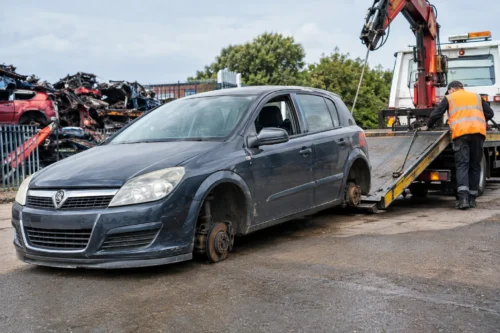
Scrapping your car feels like the end of the road. But for thousands of UK drivers, the real trouble starts after the car is gone. Skip the DVLA notification and fines follow fast. Vehicle excise duty charges stack up quietly. Liability stays tied to your name for months without you even knowing. This guide covers what actually happens and how you fix it. Already made the mistake or just want to avoid it, either way this covers you. Legal consequences, DVLA steps, the Certificate of Destruction, and a clear fix it plan all sit here in plain English. Read it once and act today.
Simple Answer You Need to Know First
You must inform DVLA No Exceptions
When you car scrapping in Southampton, telling the DVLA is not optional. It is a legal obligation every registered keeper must fulfil. Most people think handing the car over ends their responsibility. It does not. The scrapping process and the DVLA notification are two completely separate steps under UK law.
Your disposal duty stays with you as the registered owner until DVLA confirms the update. Missing this mandatory notification keeps your record open and that open record is what causes every problem covered in this post.
Your Legal Duty Does Not Transfer to the Scrapyard
Signing the car over to a scrapyard does not pass your keeper liability to them. The UK registration rules are clear on this. Your legal responsibility continues until you personally notify DVLA of the vehicle disposal. No ownership transfer to a dealer changes that.
The vehicle records sit unchanged until you act. Your name stays listed as keeper. The legal obligation remains yours, and it stays active whether the car is crushed, sold for parts, or sitting in a yard somewhere.
The Car Shows as Active on DVLA Records
Until you notify DVLA, the DVLA database shows your car as a registered active vehicle. The vehicle status does not change automatically. That active record keeps tax, insurance, and penalty systems all pointing at you.
The government records have no way of knowing the car is scrapped unless you tell them. The car registration status stays live. That DVLA active entry is the root cause of every fine and charge that follows.
Why Informing DVLA Is Legally Required
The Law Places This Duty on You Directly
Every registered keeper carries a statutory duty to notify disposal when a vehicle is scrapped. This sits firmly within UK motor law and the Road Traffic Act. The legal framework around vehicle registration was designed to track every car, and that tracking only stops when you report it.
DVLA regulations require registration compliance from the keeper, not the scrapyard. The legal mandate is yours alone. Statutory obligations under motor vehicle regulations have no automatic transfer clause.
An ATF cannot notify DVLA on Your Behalf
This is the most common misunderstanding we see. People assume the Authorised Treatment Facility handles the full process. It does not. The ATF legal role covers collecting the car and issuing the Certificate of Destruction, nothing beyond that.
Your separate obligation to contact DVLA remains completely intact. The scrapyard duty and your keeper notification duty are independent of each other. ATF and keeper responsibilities never overlap on this specific step. The DVLA notification must always come from you.
What Is a V5C Logbook and Why It Matters
The V5C logbook is your official vehicle registration document. It holds the registered keeper details, vehicle description, and registration history. When you scrap a car, the V5C logbook is central to the entire process.
You tear out the V5C yellow slip, also called the yellow section, and send it to DVLA directly. This slip tells DVLA the car has been disposed of. The rest of the DVLA logbook goes to the scrapyard. Without sending that yellow slip, DVLA never receives your disposal notification, and your record stays open. Always retain V5C copies before posting anything.
What Happens If You Do Not Inform DVLA
A Fine of Up to £1,000
The DVLA penalty lands directly on the registered keeper with no warnings and no grace period. If ignored, it does not stay small. Fixed penalties grow into non compliance fines, and eventually, your case moves to a debt collection agency.
Road Tax Keeps Running
Your VED does not stop when the car leaves your driveway. Many keepers discover months of outstanding excise duty quietly built up on a car they no longer own.
Insurance Obligations Do Not Disappear
The MID database keeps your vehicle flagged as registered. If cover lapses, a CIE penalty still lands on you. Some insurers keep billing without realising the car is gone.
Every one of these systems connects to that single open DVLA entry. One notification shuts all of them down at once. Until DVLA closes your record, you remain legally connected to that vehicle in the eyes of the law, responsible for tax, insurance, and any liability attached to it.
The Real Cost, Fines, Charges, and Debt
Tax Notices Arrive Fast
VED arrears build from the moment your keeper tax notice goes unresolved. The outstanding road tax triggers tax enforcement action in a structured sequence. First comes a tax reminder, then an overdue charges notice, then formal recovery action.
Unpaid excise duty does not disappear with time. The continuing tax liability grows with each renewal cycle. Vehicle tax arrears move to debt recovery teams once internal DVLA steps are exhausted.
Penalty Letters Escalate Quickly
The DVLA enforcement letter goes to the address on file, the one linked to your registration. A formal penalty letter follows the initial notice. Each enforcement notice states the outstanding charges and a clear deadline. Many keepers mistake the first letter for a routine reminder. It is not.
Every penalty demand letter carries legal weight. Ignoring the formal notice moves your case to the next stage faster than most people expect.
Debt Collection Becomes the Next Step
DVLA debt passed to a collection agency becomes a serious recovery action. The debt enforcement process starts once internal DVLA steps are exhausted. Unpaid fine recovery through a debt collector affects your financial record and escalates costs at every stage.
The debt recovery path moves quickly and without much warning. Cases involving escalating debt from unnotified scrapping have ended in legal recovery action across confirmed UK cases.
Why the Certificate of Destruction Protects You
It Is Your Only Official Proof
The Certificate of Destruction is the single document that confirms legal scrapping. A valid CoD issued by a licensed facility gives DVLA the evidence of disposal it needs to close your record. Without it, no amount of verbal confirmation counts.
The CoD issued by an ATF carries full legal recognition. Any scrapping document from an unlicensed dealer does not. The Certificate of Destruction is the only recognised legal scrapping confirmation in the UK system.
It Closes Your DVLA Record Officially
Once DVLA processes your CoD and DVLA notification together, your keeper liability ends completely. The DVLA record closed status confirms disposal confirmed and removes every connected obligation. Tax stops. Insurance flags stop. Penalty triggers stop.
Liability officially ends the moment DVLA updates your record using the CoD. The record termination is permanent. This single document does more legal work than anything else in the scraping process.
Without It, You Stay on the Hook
No CoD means no official proof, regardless of what actually happened to the car. The keeper’s still responsible status continues in every connected system. Unproven disposal carries the same legal weight as never scrapping the car at all.
Keeper was exposed to fines, tax demands, and insurance flags simply because of missing paperwork. The liability continues without a certificate. Always secure your CoD from ATF before the vehicle leaves your sight. How to notify DVLA correctly.
How to Notify DVLA Online Step by Step
Most people do not realise how quick this process actually is. The DVLA online service handles scrapping notifications in minutes. Here is exactly how it works.
- Step 1: Go to gov uk and search tell DVLA you’ve sold or transferred a vehicle. This is the official DVLA website page for disposal notifications.
- Step 2: Select I’ve sold or transferred it to the motor trade and choose scrapping as the reason.
- Step 3: Enter your vehicle registration number and the V5C logbook reference number from your document.
- Step 4: Confirm the disposal date and scrapyard details. The DVLA form takes this information to update your record directly.
- Step 5: Submit and save your DVLA notification receipt. This confirmation is your proof of notifying DVLA. Keep it stored safely.
The entire process takes under five minutes. If you posted the V5C yellow slip instead, DVLA sends a DVLA acknowledgement letter within four weeks.
How to Fix It If You Already Forgot
Contact DVLA Straight Away
Contact DVLA through the DVLA helpline or DVLA website as soon as you realise the mistake. Use the DVLA online service to start the correction. The DVLA customer service team handles these cases regularly. This is a known and fixable situation.
Gather Every Piece of Scrapping Proof
Pull out your Certificate of Destruction, any receipt from the scrapyard, and any ATF document showing the disposal date. That proof needs to clearly show when the car left your hands and where it went. A written confirmation from a licensed ATF carries far more weight with the DVLA than a verbal claim ever will. Lost your paperwork? Call the scrapyard or ATF directly. Licensed sites keep records by law and can reissue a CoD or send a confirmation letter in most cases.
Request a Record Correction From DVLA
Submit your DVLA record update request with all proof attached. The record correction process removes the active entry and closes all connected obligations. A successful DVLA amendment marks the vehicle as disposed of permanently. The DVLA sends a confirmation by post once processed, and your record is fully closed when all tax, insurance, and penalty links to the vehicle are cleared.
How to Avoid This Problem Next Time
Only Use a Licensed ATF
A licensed ATF registered with the Environment Agency handles disposal inside a proper legal framework. An Authorised Treatment Facility follows strict protocols that protect you from the start. Never hand your car to an unlicensed scrapper, regardless of the price offered.
Always Leave With Your Certificate of Destruction
The CoD mandatory rule is simple. Never leave the scrapyard without it. A CoD from ATF confirms legal disposal on the spot. The CoD legal requirement means no licensed facility should ever refuse to issue one. CoD protects the keeper from every risk this post has covered.
Keep Your Notification Proof Permanently
After notifying DVLA, retain DVLA confirmation immediately. Save the DVLA notification receipt in a folder you will not lose. The V5C yellow slip sent to DVLA should always have a copy kept before posting. Keeper records matter long after the car is gone. The DVLA paper trail takes minutes to build and years of trouble to recover without.
FAQS
Do I Need to Inform DVLA When I Scrap My Car in the UK
Yes. Informing DVLA UK is a legal requirement for every registered keeper without exception. The UK scrapping rules place this duty entirely on the owner, not the scrapyard, not the ATF. Notify DVLA of the scrap car on the same day if possible.
What Happens If I Miss Notifying DVLA After Scrapping My Car?
Missed DVLA notification leads to fines, tax charges, and insurance issues as detailed above. The late DVLA notification consequences grow with every passing week. Act immediately because a late DVLA update is always better than no update at all.
Is It Illegal to Scrap a Car Without Informing DVLA in the UK?
Yes, scrapping without notification breaks UK scrapping law. The DVLA notification offence carries a penalty for not informing of up to £1,000. It is treated as a failure to meet a clear legal obligation in the UK under DVLA notification law.
Can I Fix Old DVLA Notification Mistakes After Scrapping My Car?
Yes. A DVLA correction after scrapping is possible even months or years later. You can correct DVLA records late by providing valid scrap proof. The fix DVLA mistakes process follows the same steps covered in the how to fix section above.
Get a Free Instant Quote With Collection Today
Get an instant quote and book your free collection in minutes by contacting Scrap My Car Services. We cover the full UK with no hidden fees and a confirmed price before anything is arranged. Every collection includes your Certificate of Destruction and full DVLA notification handled for you, so you leave with complete peace of mind and zero loose ends.