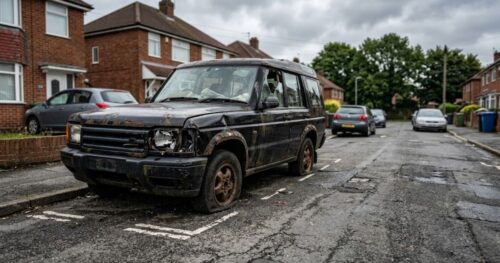
Scrap car valuation in the UK depends heavily on your vehicle’s total weight and metal composition. UK scrap yards weigh your car on certified scales to determine exact tonnage. Steel makes up most of the weight in typical vehicles. Aluminium parts like engine blocks and wheels add extra value to the final price. The London Metal Exchange sets daily metal prices that directly affect what you receive. Licensed operators check these rates every morning before giving quotes. Heavier cars with more metal content always fetch better prices than lighter models. The calculation uses a simple formula based on current metal rates multiplied by vehicle weight. Catalytic converters contain precious metals like platinum and palladium which boost overall value significantly.
Current Market Rates and Vehicle Condition
Pricing changes daily because metal markets fluctuate constantly based on global demand. A complete vehicle in one piece typically earns more than a stripped car missing parts. Diesel cars often have a higher recycling value than petrol models due to better catalytic converters. Understanding what determines your car’s worth shows how valuations account for whether your car arrives intact or dismantled. We check the London Metal Exchange rates before calculating your quote to ensure fair pricing. Non-runners still hold good value if the metal content remains untouched. Most licensed operators offer transparent breakdowns showing weight calculations and current metal prices used.
What Determines My Scrap Car Price in the UK
How Kerbweight Impacts Scrap Value
Kerbweight creates the foundation for most scrap quotes across Britain. Your car’s weight gets pulled straight from the DVLA database using your registration number. Larger UK vehicle classes like SUVs and vans weigh more than small hatchbacks. A Ford Focus averages 1,300kg while a Range Rover hits 2,200kg. Every extra 100kg adds between £8 to £15 to your final payout.
Weight shows clear patterns when comparing different car types. Diesel models often weigh 50kg to 80kg more than petrol versions of the same car. The system works transparently because certified scales confirm exact tonnage. Registration checks through DVLA records verify manufacturer specifications before collection happens. Your kerbweight determines roughly 70% of the total quote you receive.
How UK Metal Prices Influence Scrap Payouts
Metal prices shift constantly based on global trading patterns throughout each business day. The London Metal Exchange publishes live rates for ferrous and non-ferrous metals every morning. Steel market values dropped 12% in early 2024 then recovered by March. Rates follow these commercial trading floors within hours of price changes.
Steel fluctuations directly change what yards pay for complete vehicles across the country. Premium grades of steel from engine blocks command higher prices than body panels. The copper market affects wiring harnesses and radiator values separately from steel calculations. Copper reached £7,200 per tonne in 2024 compared to £280 for standard steel. We track daily rates to ensure customers get current market prices.
Why Catalytic Converters Increase Scrap Value
Catalytic converters add £80 to £600 extra depending on vehicle age and engine type. Platinum content ranges from 3 to 7 grams in standard converters fitted to petrol cars. Palladium levels reach 2 to 7 grams while Rhodium sits at 1 to 2 grams in modern units. Precious metal components hold value independent of body weight or condition.
These parts prove valuable due to industrial use in electronics and jewellery manufacturing. A 2015 BMW 3 Series converter holds roughly £250 worth of recoverable precious metals. Catalytic pricing gets calculated separately then added to your base quote. Hybrid vehicles feature larger converters with higher metal content than conventional cars. Converter rates change weekly based on refinery demand and global supply chains.
How Vehicle Condition Affects Scrap Price
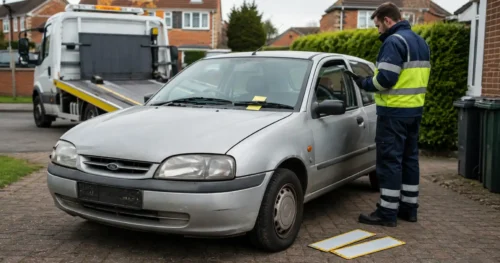
Calculations account for missing parts and structural damage beyond normal wear. UK scrap yards deduct £20 to £50 for each major component removed before collection happens. Missing parts deductions apply to wheels, batteries, catalytic converters, and complete engines. A car arriving with four wheels and a battery intact receives full weight based pricing.
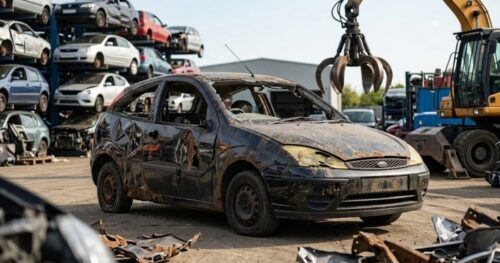
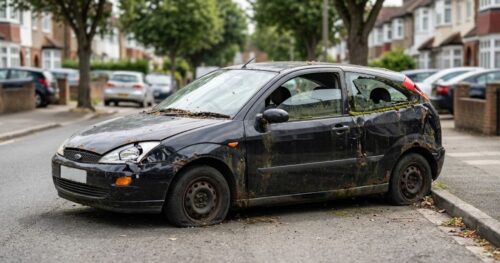
Recycling centres focus on total metal content rather than cosmetic appearance during valuation. Condition only matters when essential parts disappear before collection takes place. Pricing remains unchanged for accident damage or failed MOTs. Burnt out vehicles lose value because fire damage contaminates metal quality and reduces recovery rates.
How Location Affects Scrap Car Prices in the UK
Prices vary by £30 to £80 depending on where you live. UK regions with strong industrial bases like Yorkshire and the Midlands offer higher rates than rural areas. Local pricing reflects proximity to major metal processing plants and export terminals. Cities near ports like Southampton and Liverpool see better quotes because shipping costs drop significantly. Postcode values change even within the same county based on collection distance from treatment facilities. Transport networks play a huge role in what yards pay for vehicle collection and delivery.
Regional rates differ because fuel costs and journey times affect profit margins for collectors. A car in central London fetches £20 to £40 more than the same model in Cornwall. Finding scrap services in your area helps you compare local quotes. Geographic price gaps show clearly across Britain. We collect from remote Scottish islands where transport adds £50 to £100 to processing costs. Areas with multiple competing yards like Manchester and Birmingham push prices up through market competition.
How Scrap Yards Calculate Your Final Quote
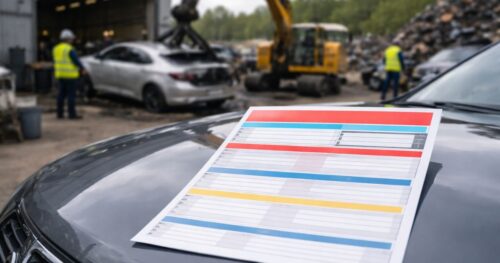
Calculation follows a standard formula used by most Authorised Treatment Facility sites nationwide. UK recyclers take your vehicle weight and multiply it by current daily metal rates. The formula starts with base tonnage value then adds catalytic converter worth and deducts collection costs. A 1,400kg Vauxhall Astra gets calculated at £280 base rate plus £120 converter value minus £35 transport.
The valuation method checks DVLA records first to confirm make, model, and official kerbweight specifications. Pricing accounts for fuel type because diesel cats contain more precious metals. Yards checks London Metal Exchange rates before giving any quotes. The formula gets updated every morning when global steel and copper prices change. Most Authorised Treatment Facility operators provide itemized breakdowns showing weight calculation, metal rates used, and any deductions applied. Your final quote reflects current market conditions on the exact day of collection.
Legal Rules for Scrapping a Car in the UK
Legal requirements demand you use only an Authorised Treatment Facility licensed by the Environment Agency. DVLA rules state you must notify them within 14 days of scrapping your vehicle. The Certificate of Destruction arrives automatically when the ATF processes your car through official channels. UK law prohibits selling vehicles to unlicensed scrap dealers or breaker yards without proper permits.
DVLA rules require you to complete section 9 on your V5C logbook before handing it over. Legal recycling standards protect you from liability if your scrapped car gets used illegally afterwards. UK law makes the ATF responsible for issuing your destruction certificate within seven days of collection. The DVLA process involves automatic notification when licensed facilities submit vehicle disposal records electronically. You face fines up to £1,000 for failing to inform DVLA about scrapping or selling your car. Licensed facilities handle all environmental regulations, including safe removal of fluids, batteries, and hazardous materials from vehicles.
FAQs
How much is my scrap car worth?
£150 to £600 based on weight and current metal prices at collection time. Small city cars fetch lower amounts while large SUVs bring premium rates.
Do scrap prices change daily?
Yes, because metal markets fluctuate constantly through the London Metal Exchange trading floors. Steel and copper rates shift hourly affecting what yards pay.
Can I scrap without V5?
Yes, with alternative proof of ownership like a bill of sale or registration documents. Banks accept vehicle log book requests when finance gets settled before scrapping happens.
Get Your Instant Quote Today
Free instant quotes based on current metal prices and your vehicle details. We collect nationwide within 24 to 48 hours including scrap my car Berkshire collections, and handle all DVLA paperwork automatically for you. Our licensed Authorised Treatment Facility network guarantees your Certificate of Destruction arrives within seven days of collection. Enter your registration number now to see exactly what your car is worth today. We beat most competitor quotes and pay cash on collection with full legal compliance guaranteed.