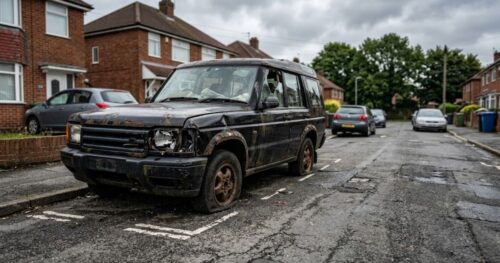
Over 1.2 million cars were scrapped in the UK in 2024, and the average owner was 17 years old with 131,700 miles on the clock before they made the call. Most waited too long. This guide identifies 10 clear indicators that separate a car worth keeping from one that has crossed the financial point of no return, from repair costs breaching the 50 percent market value threshold, to structural rust, repeated MOT failures, ULEZ non compliance, and a car you no longer trust on the road. When three or more of these signs apply at the same time, scrapping stops being an option and becomes the only sensible decision.
How Many Signs Does It Take to Make the Right Call
Not every sign below means your car is finished. But when three or more apply at the same time, the case for keeping it almost always falls apart.
How to Use These Signs as a Scoring System
Go through all 10 signs and count how to scrap my car legally. One sign alone rarely confirms anything. Three or more together, such as high mileage, repeated MOT failures, and rising repair bills, is the threshold most vehicle assessors use when advising owners to consider scrapping.
50 Percent Rule as Your Financial Anchor
If a repair quote exceeds 50 percent of your car’s current market value, the repair is rarely worth doing. A car worth £1,500 with a £900 repair bill is on the wrong side of that line. Check actual sold values on Auto Trader or use a car valuation service, not asking prices, then apply this rule to every quote you receive.
Sign 1: Repair Costs Are Approaching the Car’s Value
One expensive repair can cross the financial line instantly. Measure it before spending anything.
UK Repair Costs That Trigger This Rule
Head gasket replacement runs £800 to £1,500. Gearbox repair costs £500 to £5,000. Turbocharger failure reaches £2,500. Engine rebuild starts at £2,000. On any car worth under £2,000, a single one of these jobs crosses the scrapping threshold immediately. The Ford Focus, Vauxhall Astra, and Corsa hit these faults most commonly past 15 years.
How to Check Your Car’s Real Market Value
Search AutoTrader for your exact make, model, year, and mileage. Filter by recently sold listings only. Asking prices run 15 to 20 percent above what buyers actually pay. Deduct for faults, missing MOT, and cosmetic damage before comparing any repair quote against what the car genuinely fetches in today’s market.
Sign 2: Your Car Keeps Failing Its MOT
One failure is routine maintenance. A repeated pattern across multiple systems is a different problem entirely.
One Failure Versus a Pattern of Failures
Vehicles failing on three or more major items have a 70 percent chance of developing additional serious faults within six months. Brakes, emissions, bodywork, and suspension failing together in same test is not isolated wear, it is a car falling apart across multiple areas at once.
When MOT Advisories Become the Real Warning
Advisories that grow longer each year confirm a car deteriorating faster than routine repairs can manage. Tyre wear, suspension play, and corrosion advisories returning on consecutive MOTs signal a vehicle heading toward simultaneous failures. Clearing all advisories before the next test often costs more than the car is worth at that stage.
Sign 3: A Major Component Has Failed
Engine and gearbox failures are the two costliest repairs on any vehicle. On an older car, either almost always triggers the 50 percent rule immediately.
Engine Failure Warning Signs in the UK
A red engine warning light, oil pressure loss, white exhaust smoke, persistent overheating, or a deep knock from the engine bay on startup all signal serious failure. Big end bearing wear produces a rhythmic knock that leads to full engine seizure if ignored. Head gasket replacement on most UK models costs £800 to £1,500, already past the scrapping line on cars worth under £1,500.
Gearbox and DPF Faults That Cross the Line
Automatic gearbox replacement runs £1,500 to £5,000 on common UK models including the Ford Focus Powershift. DPF blockages on diesel cars used mainly for short trips typically cost between £500 and £2,000 to sort out properly. When ULEZ non-compliance gets added into this on a pre-2015 diesel, numbers stop making sense fast. Scrapping becomes an obvious move.
Sign 4: Serious Rust or Structural Damage Is Present
Surface rust on bodywork is cosmetic. Rust on structural components is a safety issue that usually costs more to fix than the car is worth.
Surface Rust Versus Structural Corrosion
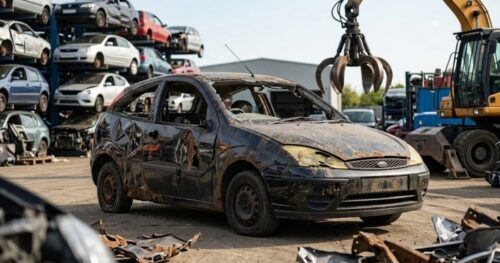
Rust on sills, chassis rails, or subframe is a different category of problem entirely. It undermines structural protection a car was built to provide and guarantees an MOT failure. Fixing it means cutting out and welding in new structural steel. This work costs more than most 15 year old cars are actually worth on open market.
Why Rust Rarely Stays in One Place
Another catch exists here. Sorting one rusted section while leaving connected areas untouched just delays things. You pass one MOT and fail next. Cars in the 17 to 20 year bracket tend to show rust across several structural points at once, which makes any attempt at thorough repair both impractical and a poor use of money.
Sign 5: Your Insurer Has Written the Car Off
A write off does not always mean scrapping is compulsory, but two of the four UK categories leave no legal alternative.
What Write Off Categories A, B, S and N Mean
Category A and B write offs must be crushed and cannot legally return to UK roads under any circumstances. Category S covers repairable structural damage and Category N covers non structural damage. Both S and N cars can be repaired and resold, but the write off marker permanently reduces resale value and must be disclosed to every future buyer.
When Scrapping a Cat S or N Car Makes Sense
Get a repair quote and compare it to the post repair market value, accounting for the permanent write off marker, reducing what buyers will pay. If repair cost plus the value reduction from the market brings your net return below the current scrap value, scrapping is the cleaner financial outcome with no ongoing disclosure obligations attached.
Sign 6: Dashboard Warning Lights Keep Returning
Warning lights that clear after a reset and return within days or weeks are not a mystery. They confirm a pattern of ongoing deterioration.
Red Warning Lights That Signal Serious Risk
A red engine light signals catastrophic misfire or overheating. An oil pressure warning means the engine has lost lubrication, and driving even a short distance causes irreversible damage. A brake system warning indicates ABS module or hydraulic failure, both immediate MOT failures. Repair costs on these systems start at £500 and reach several thousand on older vehicles. it may be more practical to scrap your vehicle instead.
When Lights Appear Faster Than Repairs Fix Them
Three or more warning lights in a single year, with paid repairs failing to fix root cause, points to something worse than bad luck. It signals that multiple systems are declining at same time. That pattern alongside high mileage past 100,000 is one of clearest signs a car has reached the end of its useful life.
Sign 7: The Car Is No Longer ULEZ or Clean Air Zone Compliant
Non compliance is a daily financial penalty with no repair solution that removes the charge.
Which Cars Fail ULEZ Standards in 2026
Petrol cars registered before January 2006 fail Euro 4 standards. Diesel cars registered before September 2015 fail Euro 6. Both are non compliant with London ULEZ and Clean Air Zones in Birmingham, Bath, Bristol, and Scottish cities. The London daily charge is £12.50, reaching £4,562 annually for daily drivers in the zone.
When Scraping is Better Than Repair
Fixing an emissions failure on a non compliant car removes the MOT failure but not the daily charge. A pre-2006 petrol costing £800 to pass emissions while still attracting £12.50 daily in London produces a financial loss from day one. Scrapping and replacing with a compliant vehicle costs less over two years than continuing to run a non compliant car inside an affected zone.
Sign 8: High Mileage and Age Make Repairs Not Worth It
Mileage alone is not a reason to scrap. Combined with age and repair history, it changes the financial calculation entirely.
What High Mileage Means for Repair Frequency
Beyond 120,000 miles on most petrol cars and 100,000 on diesels, unexpected failures start coming in clusters. Timing chains, water pumps, clutches, and suspension components all tend to wear out around same time. One job leads to another, and total bill climbs faster than any single quote prepares you for.
Average Scrapped Car Data and What It Tells You
Average scrapped UK car in 2025 was just over 17 years old with 131,700 miles on it. If it already shows two or more other signs from this list, it has effectively reached end of life ahead of the UK average. At this stage, selling a car for salvage in the UK often becomes a more practical option, as the financial case for scrapping is already clear.
Sign 9: You No Longer Trust the Car for Everyday Use
A car you hesitate to take on long journeys or worry about starting has already moved past being a reliable asset.
Safety Concerns That Make Driving a Risk
Soft brakes, wandering steering, suspension knocking on uneven roads, or unresolved warning lights are not minor issues. They are safety failures on a moving vehicle. Driving in dangerous conditions carries a fine of up to £2,500 and three penalty points under UK law. A car you do not trust for a 200 mile motorway journey has already failed its basic reliability standard.
The Reliability Test Most Owners Ignore
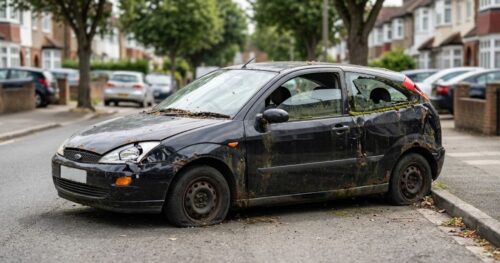
Three or more unplanned breakdown callouts in a single year place a vehicle statistically in the end of life category. RAC and AA data consistently show the majority of motorway breakdowns involve cars over 12 years old with more than 100,000 miles. If you call breakdown cover before a long trip rather than simply driving, the car has given you its answer.
Sign 10: The Car Sits Unused and Costs Money to Keep
A car sitting unused on a drive is still costing money. Road tax runs unless you SORN it.
Ongoing Costs of an Unused Car
Insurance still needs paying. Tyres perish from sitting still. Brake discs corrode and eventually seize after a few months without use. Fuel goes stale within three to six months and causes starting problems and fuel system damage on top of that. Every month it sits there, value drops while repair bill for whenever you do need it quietly grows.
When Keeping It Just in Case Costs More Than Scrapping
Returning a car dormant for six or more months to roadworthy condition, including fresh tyres, brake service, battery, and a full MOT, frequently costs more than the car is worth. Scrap values in the UK currently average £150 to £400, depending on weight and condition. Converting a depreciating, unused liability into immediate cash is almost always the better financial outcome at that point.
What to Do Once You Recognise These Signs
Acting correctly once you identify these signs protects you legally and gets you the best return.
Get a Scrap Valuation Before Deciding
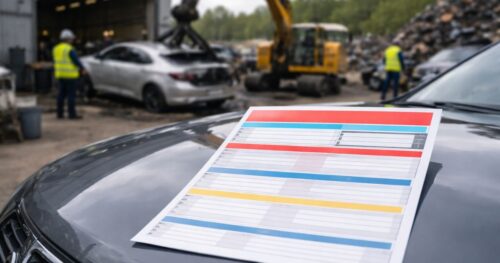
Enter your registration into a licensed ATF quote tool. Most return a confirmed price in under a minute. Compare that figure against Auto Trader sold data for your car. If the gap between scrap value and realistic sale price is small, scrapping removes all the time, effort, and risk of private sale with no meaningful financial penalty. whether you need to scrap my car Chiswick or anywhere else in the UK.
Choose a Licensed ATF for Legal Disposal
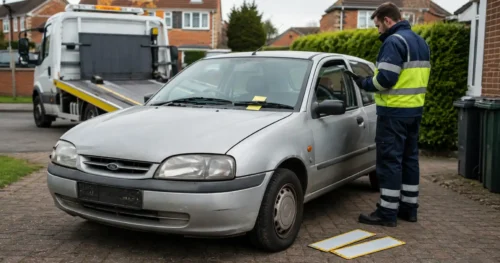
Only a licensed Authorised Treatment Facility issues a Certificate of Destruction, the document that closes your DVLA keeper record and ends all tax, insurance, and liability obligations. Verify any ATF on the DVLA approved list at gov.uk and the Environment Agency register at environment.data.gov.uk. Cash payment offers are illegal under the Scrap Metal Dealers Act 2013 and confirm an unlicensed operator immediately.
Frequently Asked Questions
How Many Miles Is Too Many to Repair a Car in the UK?
Risk rises sharply past 120,000 miles on petrol and 100,000 miles on diesel, especially combined with 15 or more years of age. The UK average at scrapping sits at 131,700 miles and 17 years old.
Is It Worth Fixing a Car That Has Failed Its MOT?
A single minor failure under £200 on an otherwise solid car is worth fixing. Multiple safety failures or a quote above half of car value makes scrapping a smarter decision.
Can I Scrap a Car That Is Not in My Name?
No, written permission from registered keeper is required, and for deceased owners a grant of probate must be obtained first. Scrapping without proper authorisation is treated as vehicle disposal fraud under UK law.
Scrap My Car the Right Way Today
At Scrap My Car Services, we make scrapping simple, legal, and hassle free. Get your instant quote in under a minute, book a free UK wide collection, and receive bank transfer payment on the day. Every collection includes your Certificate of Destruction and full DVLA notification handled for you. No hidden fees. No cash offers. Just a fast, clean, fully compliant service from a licensed ATF you can trust. If you’re looking to scrap my car Basingstoke, we provide fast local collection with fully compliant ATF disposal. Get Your Free Quote Now.