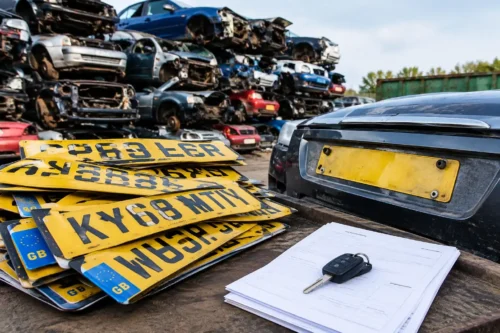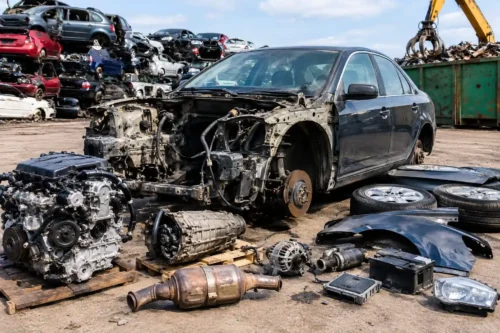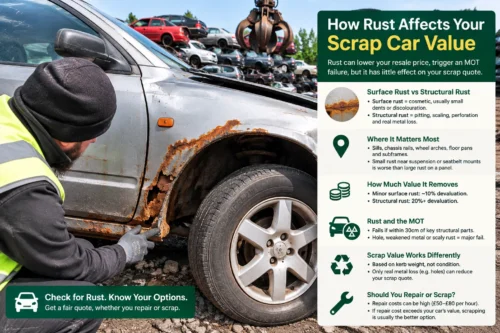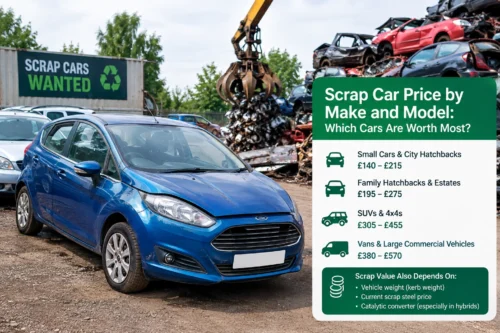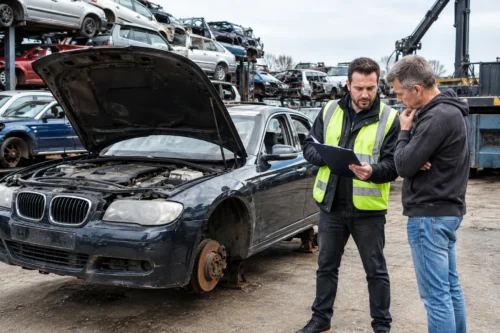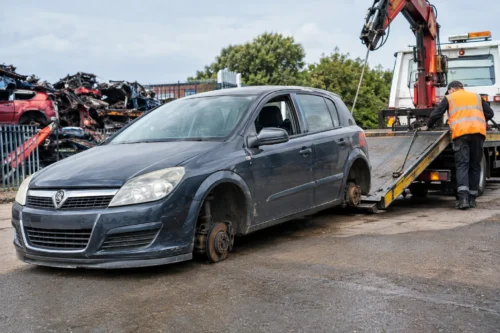
UK End of Life Vehicles Regulations 2003 cover cars, vans, and light goods vehicles. Brexit scrapped the ELV Directive. UK law replaced it immediately. DVLA enforcement never paused. Keeper liability stays yours until a CoD lands. Scrapping outside a licensed ATF breaks UK law. An Authorised Treatment Facility drains fluids and removes hazardous parts. It also issues your Certificate of Destruction. The CoD goes to DVLA automatically. Your legal liability ends that same day.
What the ELV Directive Is and Where It Came From
The EU Origin of the Directive and Why It Still Applies in the UK After Brexit
ELV Regulations cover 2 vehicle classes only. Class M1 includes passenger cars with up to 9 seats. Class N1 covers light commercial vans. Both must weigh 3.5 tonnes or less. Gov uk producer registration applies to both classes. Motorcycles fall outside ELV scope completely. Lorries, buses, and heavy goods vehicles don’t qualify either. Weight above 3.5 tonnes removes any vehicle from coverage. The seat count includes the driver’s seat. 9 seats total is the hard legal limit.
Which Vehicles the ELV Directive Covers and Which It Does Not
Natural ELV describes cars over 10 years old that reach end of life through wear. Premature ELV covers vehicles written off by accident, fire, flood, or vandalism. Vehicles classified as historic or vintage may not fall under UK ELV Regulations 2003. An insurer can also trigger ELV status by paying out and taking legal ownership of a damaged car.
How the ELV Directive Became UK Law
Vehicles Regulations 2003 and Responsibility Regulations of 2005
Plastic and rubber parts over 200 grams must carry component markings under SI 2635. Vehicle producers must publish materials data on new models within 6 months of release. Heavy metals compliance documents need retention for a minimum of 4 years. Producers who miss these obligations face an unlimited fine under gov uk enforcement rules.
How Defra and the OPSS Share Enforcement Responsibility
Defra enforces producer registration, free take back scheme approval, and recovery target reporting. The Office for Product Safety and Standards (OPSS) enforces heavy metals restrictions and plastic and rubber part marking rules. Authorised Treatment Facilities need environmental permits from 4 separate agencies: the Environment Agency in England, Natural Resources Wales, SEPA in Scotland, and NIEA in Northern Ireland under SR493 2003. Non compliance enters a public register on gov uk.
What the ELV Directive Requires Authorised Treatment Facilities to Do
An Authorised Treatment Facility holds an environmental permit before accepting any end of life vehicle. Depollution removes oils, battery acid, refrigerant gases and airbags first. The ELV Directive sets a 95% recovery target and an 85% recycling target by weight per vehicle. ATFs issue a Certificate of Destruction to the last owner within 7 days of vehicle acceptance, then notify DVLA to deregister the car.
After depollution, staff complete a component assessment and parts salvage stage before shredding begins. Engines, transmissions, alternators, and body panels enter the used parts market. The shredder produces Automotive Shredder Residue (ASR) , a mix of plastics, rubber, glass, and foam. Post shredder technology uses magnets, air classification systems, and eddy current separators to sort ferrous metals from non ferrous metals like aluminium, copper and zinc.
What UK Car Owners Are Legally Required to Do Under the ELV Directive
End of Life Vehicle Must Go to a Licensed Authorised Treatment Facility
The Certificate of Destruction is the only document that removes your name from the DVLA database. Only ATFs can issue a CoD, and they must do so within 7 days of accepting the vehicle. The CoD updates the DVLA database live, ending your liability for road tax, MOT, and any offences committed after handover. Without a CoD, the registered keeper remains legally responsible for the vehicle.
How the Certificate of Destruction Removes Your Legal Liability for the Vehicle
At handover, complete Section 4 of the V5C logbook for documents issued after April 2019, or Section 9 on older versions. The ATF notifies DVLA directly when the CoD is issued. Failing to ensure DVLA receives notification triggers an automatic £80 penalty. Prosecution carries a fine of up to £1,000 under UK regulations.
Notifying the DVLA and What Happens If You Do Not
DVLA automatically refunds remaining full months of road tax after vehicle deregistration. Owners without a V5C logbook must inform DVLA separately in writing. The DVLA in Swansea manages deregistration across the entire UK database. Cancelling insurance after CoD confirmation closes all remaining owner obligations.
Free Take Back Obligation and How to Qualify for It
Which Vehicles Qualify for Free Collection Under the ELV Take Back Scheme
Catalytic converter theft is a common real world disqualification trigger in the UK. A stolen catalytic converter removes your free take back entitlement, even if the theft was not your fault. Selling the engine, gearbox, or wheels before scrapping also disqualifies the vehicle. The ATF is not obligated to accept an incomplete ELV for free and may levy a disposal charge that varies by facility.
Why Removing Essential Components Disqualifies Your Vehicle From Free Take Back
A stripped vehicle missing its engine, gearbox, catalytic converter, or wheels becomes an incomplete ELV under UK ELV Regulations. Authorised Treatment Facilities set their own charges for incomplete vehicles, as no fixed fee applies across the UK. Removing parts to sell separately before scrapping may return less money overall once ATF disposal charges are applied. Keep the vehicle complete to retain your legal entitlement to free collection.
How to Identify a Legitimate Authorised Treatment Facility
How ATF Licensing Differs Across England, Wales, Scotland and Northern Ireland
Section 12 of the Scrap Metal Dealers Act 2013 makes cash payment for scrapped cars illegal across the UK. Payment must arrive by cheque or electronic bank transfer to the registered keeper’s named account. A dealer offering cash is a clear sign of an unlicensed operator. Handing your vehicle to an unlicensed site leaves you liable for any environmental damage that follows.
Why Cash Payment for a Scrapped Car Is a Sign of an Unlicensed Operator
A legitimate ATF provides a Certificate of Destruction and notifies DVLA directly after accepting your vehicle. Verify any facility through the Environment Agency public register in England, NRW in Wales, SEPA in Scotland, or NIEA in Northern Ireland. No genuine Authorised Treatment Facility offers cash every compliant payment leaves a traceable record. Keep your bank transfer confirmation alongside your CoD as proof of legal disposal.
What the ELV Directive Means for Electric and Hybrid Vehicle Owners
Why EV Battery Packs Require Specialist Handling
Lithium, cobalt and nickel inside EV battery cells are classified as strategically critical materials in UK. Two main battery chemistries follow different recycling routes NMC (nickel manganese cobalt) and LFP (lithium iron phosphate). Recovery of these materials supports the domestic battery supply chain directly. Standard ATFs without high voltage equipment cannot legally process EV traction batteries.
How the UK Review of ELV Regulations Expected
The UK government rejected dynamic alignment, meaning new EU ELV Regulation updates do not apply automatically after Brexit. An independent UK ELV regulation review is underway, with results expected in 2026 or 2027. The EU is expanding its new regulation to cover motorcycles and heavy duty vehicles, with stricter battery recycling targets. The UK review examines lithium, cobalt, and nickel recovery under the UK Critical Minerals Strategy, a connection no competitor currently makes.
The Environmental Purpose Behind the ELV Directive
The ELV Directive stops scrapped vehicles from contaminating soil and water with hazardous fluids and heavy metals. Recycling steel from end of life vehicles uses up to 75% less energy than producing steel from raw iron ore. The 95% recovery target diverts 1.6 to 2 million UK vehicles from land fill every year. Methane emissions from decomposing vehicle materials drop directly as a result.
Iron and steel make up 65% of average vehicle weight and re-enter the supply chain as secondary raw material. Bauxite, iron ore, and crude oil are finite resources, recovering them from vehicles reduces extraction pressure on all three. Design for Environment (DfE) requires manufacturers to build cars with end of life disassembly in mind. The ELV Directive connects pollution prevention, resource conservation, and greenhouse gas reduction inside one framework.
FAQs
Does the ELV Directive Still Apply in the UK After Brexit?
Yes. The ELV Directive core requirements were written into UK law in 2003 and retained at Brexit. The UK rejected dynamic alignment and runs its own independent review, with results expected in 2026 or 2027.
What Is the Difference Between Reuse, Recycling and Recovery Under the ELV Directive?
Reuse means a part fits another vehicle for the same function. Recycling means material gets reprocessed into new products. Recovery is broader it includes recycling plus energy recovery through incineration. The 95% target covers all recovery methods. The 85% target requires material recycling only.
Can I Scrap My Car at a Regular Scrapyard Rather Than an Authorised Treatment Facility?
No. Scrapping at an unlicensed scrapyard is illegal under the End of Life Vehicles Regulations 2003. Unlicensed operators cannot issue a Certificate of Destruction, so the vehicle stays registered in your name on the DVLA database.
What Is a Certificate of Destruction and Do I Need One?
Yes, you need one. A Certificate of Destruction confirms your vehicle was legally destroyed by a licensed ATF. It updates the DVLA database immediately and ends your road tax, MOT and offence liability. Keep it permanently as proof.
What Is the DVLA Penalty if I Scrap My Car Without Notifying Them?
Failing to notify DVLA carries an automatic £80 penalty. Prosecution adds a fine of up to £1,000. The vehicle stays registered in your name, leaving you liable for road tax and any offences until DVLA receives notification.