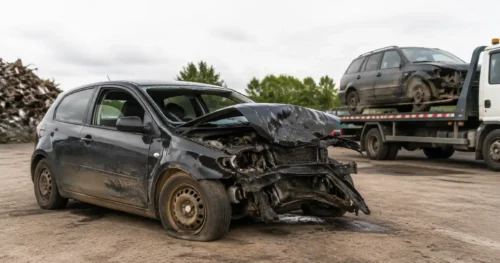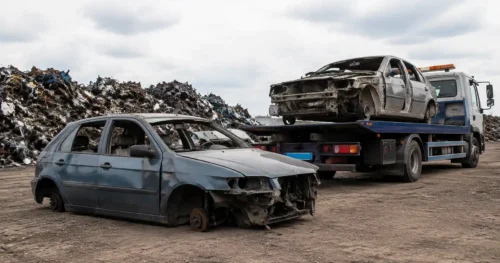
A written-off car doesn’t have to mean a dead end. Cat S and Cat N vehicles can return to UK roads after a full MOT pass and proper repair. Cat A and Cat B vehicles have no legal route back. Knowing your write-off category protects you from overpaying, under selling, or breaking UK law without realising it.
What Is an Insurance Write Off in the UK
When an Insurer Declares a Vehicle a Total Loss
A vehicle assessor declares a total loss after inspecting collision damage, structural integrity, and safety risks. RAC confirms insurers send trained assessors to calculate every repair cost on site. Jagged metal, electrocution risk, and toxicity each trigger an unsafe to drive status. Car uk states Category A write offs are illegal to repair or resell under any condition. Damage from collisions, natural disasters, or theft all lead to the same assessment process.
The Repair to Value Ratio UK Insurers Use to Decide
The repair to value ratio triggers a write off when repair costs hit 50% to 60% of the car’s current market value. RAC confirms a £5,000 car gets written off when repairs exceed £3,000 at a 60% threshold. Motorway states damage at 50% or more of the vehicle’s valuation triggers the same decision. Labour, parts, paint, bodywork and recovery transport all count inside the final repair cost estimate. Older cars with scarce parts reach the write off threshold faster than newer models.
The ABI Salvage Code and How the Category System Changed in 2017
Cat C and Cat D: The Old Categories That No Longer Apply
Category C covered vehicles where repair costs exceeded the car’s market value. Car confirms: All it means is you can repair the vehicle and put it back on the road. Category D was different. Recovery and transport fees pushed total costs beyond the car’s worth, not the repairs themselves. Classic car owners often repaired Cat D vehicles because sentimental or collector value justified the expense.
Why the ABI Replaced Cost Based Categories With Damage Based Categories
The ABI replaced cost based categories to shift focus onto structural damage and road safety. RAC confirms the reform aimed to highlight structural issues that affect safety instead of just repair bills. Cat S replaced Cat C to flag structural damage directly. Cat N replaced Cat D to cover non structural cosmetic write offs. Buyer transparency and insurer duty of care drove the October 2017 salvage code reform.
The Four UK Insurance Write Off Categories and What Each One Means
Category A: Total Loss With No Salvageable Parts
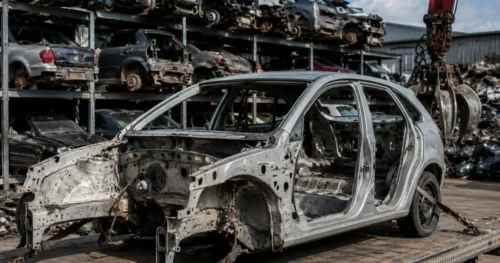
Category A write offs are issued to vehicles that pose active danger to human health. Car confirms these cars carry electrocution risk, toxicity and jagged metal hazards. Repairing or selling a Cat A vehicle is illegal under any condition. Motorway states the vehicle gets crushed and scrapped at an authorised treatment facility (ATF) with no parts removed.
Category B: Body Shell Crushed but Parts Can Be Sold
Category B vehicles have their body shell crushed at an ATF, but salvageable parts get stripped first. Car confirms the official salvage report lists every safe part, including the engine, gearbox, seats and stereo. Selling any part not listed in the report is a criminal offence. The shell itself scrap my car services and never returns to the road.
Category S: Structural Damage That Can Be Repaired
Category S covers vehicles with structural damage to the chassis, crumple zones, or suspension. RAC confirms Cat S damage requires professional repair by a specialist before the car returns to the road. GOV states owners must send the V5C log book to their insurer and apply for a duplicate via form V62. Motorway confirms Cat S replaced Cat C in October 2017, and the label stays on the vehicle permanently.
Category N: Non Structural Damage and Cosmetic or Electrical Faults
Category N covers write offs with no structural damage to the chassis or frame. Car confirms Cat N vehicles get written off because paint, wiring, electronics, interior, or trim repair costs exceed market value. RAC warns that non structural faults can include brake failure, steering faults, and other safety critical components. Motorway confirms Cat N replaced Cat D in October 2017 under the ABI salvage code reform.
What Happens to Category A and Category B Vehicles
Authorised Treatment Facilities and the End of Life Vehicles
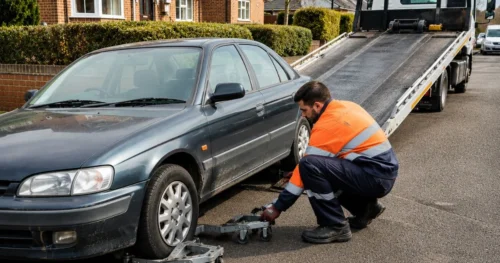
Authorised treatment facilities (ATFs) are licensed by the Environment Agency to legally crush and recycle end of life vehicles. The End of Life Vehicles Regulations 2003 require all Cat A and Cat B vehicles to go through a certified ATF only. Hazardous materials including oil, fuel and battery acid get removed before crushing begins. An unlicensed scrapyard cannot legally accept or process a Cat A or Cat B write off under ELV compliance rules.
The Certificate of Destruction and Keeper Liability
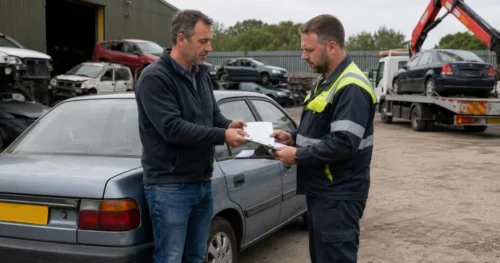
The Certificate of Destruction (CoD) gets issued by the ATF once the vehicle is legally scrapped and destroyed. DVLA updates its records immediately, releasing the former keeper from road tax and insurance liability. Without a CoD, the registered keeper stays legally responsible for the vehicle. Car confirms theft risk remains active until the DVLA record confirms destruction through the official CoD process.
Buying Back a Category S or Category N Vehicle from Your Insurer
The Buy Back Process and What It Costs the Keeper
The buy back process requires the keeper to pay a negotiated salvage price directly to the insurer. Motorway confirms you’ll take a smaller insurance payout, or none at all when buying back a Cat S or Cat N vehicle. The insurer retains legal ownership until the salvage sale completes. DVLA re-registration through the V62 form transfers the title back to the keeper officially.
MOT Requirements and Road Return Rules for Repaired Write Offs
A full MOT certificate is required before any repaired write off returns to UK roads. Motorway confirms both Cat N and Cat S cars need a new MOT before re-insurance gets approved. Car.co.uk states no road tax gets issued without a valid MOT certificate confirming roadworthy condition. A Cat S vehicle always carries its structural damage label permanently, even after a clean MOT pass.
Declaring Write Off Status When Selling a Cat S or Cat N Car
Declaring write off status protects sellers from misrepresentation claims under UK consumer protection law. RAC warns that some sellers hide Cat S or Cat N history from buyers who skip a vehicle history check. Car confirms disclosure requires the V5C log book, parts receipts, service history, and insurance claim history. An HPI check reveals write off status instantly, making concealment a serious legal and financial risk.
How a Write Off Category Affects Insurance Premiums and Resale Value
Why Insurers Charge Higher Premiums for Write Off Vehicles
Insurance premiums rise on write off vehicles because insurers can’t verify repair quality without an inspection. Motorway confirms most insurers cover Cat S and Cat N cars but charge higher rates for the increased risk profile. An engineer’s report confirming roadworthy condition gets required by many insurers before cover starts. Some mainstream insurers decline write off vehicles entirely, pushing owners toward specialist write off insurance providers.
The Resale Discount on Cat S and Cat N Cars in the UK Market
Cat S and Cat N resale prices sit below equivalent clean title cars, even after professional repair. Direct Gap confirms the market value’s likely to be lower, even if it’s been beautifully repaired. Motorway states sellers must price write off vehicles lower than the standard market rate to attract buyers. A car sold as is with visible damage history requires an additional price reduction beyond the standard write off discount.
FAQs
Do I Have to Tell the DVLA My Car Has Been Written Off?
Cat S keepers must notify DVLA or face a £1,000 fine. GOV UK confirms this. Cat N write-offs require no automatic DVLA notification. Your insurer handles Cat A and Cat B destruction records directly.
What Is the Difference Between Cat S and Cat N?
Cat S means structural damage to the chassis or crumple zone. Cat N covers non structural faults like cosmetic damage, wiring, or electronics. RAC confirms Cat S requires specialist repair. Cat N does not.
Can I Drive a Category N Write Off After It Has Been Repaired?
A Cat N vehicle returns to UK roads after passing a full MOT certificate. GOV UK confirms road use resumes once repairs reach roadworthy condition. RAC warns brakes and steering faults still make unrepaired Cat N cars unsafe.
Can I Buy Back My Written Off Car From the Insurance Company?
Cat S and Cat N vehicles are eligible for buy back at salvage value. GOV UK confirms the insurer sells the vehicle back after paying your settlement. Cat A and Cat B vehicles are never available for buy back.
Does a Write Off Appear on a Vehicle History Check?
Cat S and Cat N write offs appear permanently on HPI checks and Experian Autocheck records. RAC confirms buyers use vehicle history checks to find hidden write off markers. No DVLA record gets removed after a Cat N or Cat S declaration.